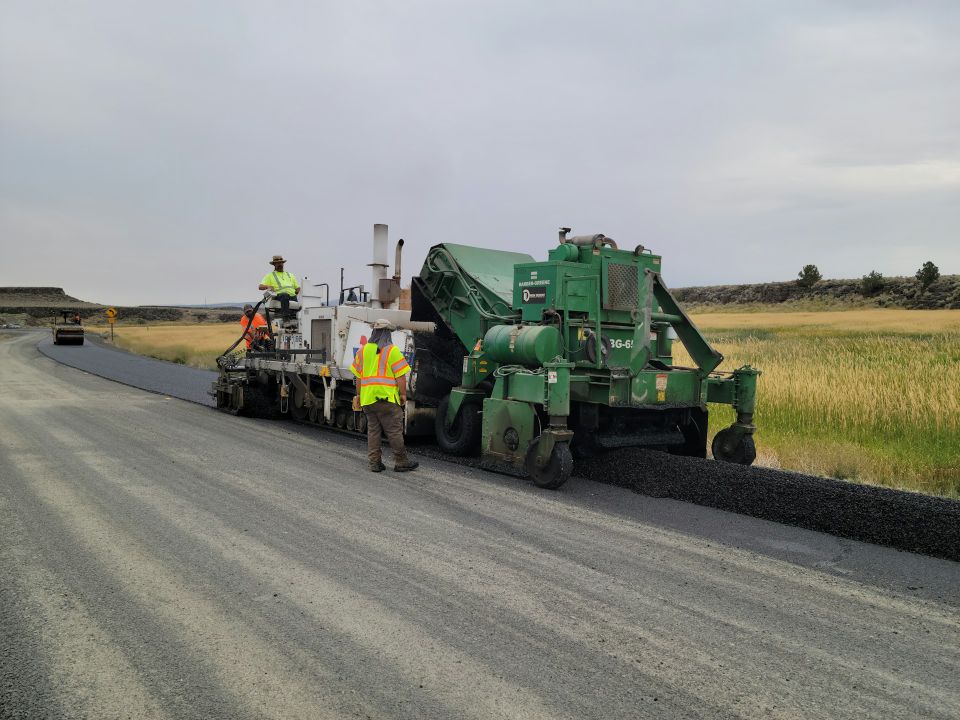
Full Depth Asphalt Reclamation is a go-to process in road maintenance that transforms old, worn-out pavements into smooth, solid surfaces suitable for everyday use. Reclamation is when the existing pavement layer is milled and mixed with underlying materials, then compacted to form a new base layer. It's an eco-friendly method that reduces waste and costs. As effective as it is, this process can also present a few challenges.
From equipment mishaps to unexpected weather changes, tackling these issues ensures a smoother outcome and extends the lifespan of our roads. Today, we'll look at the common problems encountered during Full Depth Asphalt Reclamation, particularly focusing on challenges in the Chattanooga area. Let's explore the solutions and tips to make your next project a success.
Common Issues with Equipment and MachineryMachinery breakdowns can throw a project off track faster than you might think. A few frequent issues can arise due to wear and tear or lack of maintenance. It's essential to keep up with the regular maintenance schedule to ensure everything's working as it should. Think of it like maintaining a car. Regular check-ups and oil changes go a long way in preventing problems down the road.
Some standard equipment used in the reclamation process includes milling machines, graders, and rollers. Each piece needs to be in top condition to avoid downtime and loss of efficiency. Here’s a quick list of things to keep in mind:
- Regular Inspections: Routine checks for wear and tear ensure everything is running smoothly.
- Training for Operators: Well-trained operators can identify issues early and avoid misuse that could cause damage.
- Proper Storage: Storing machines correctly when not in use helps avoid exposure to elements that may lead to corrosion.
Using the right machinery for specific tasks is crucial. For instance, different types of rollers are used for compaction, each suited for various stages of the project. Ensuring these machines match the requirements of your specific environment, like Chattanooga's hilly terrain, is a step towards meeting your project's goals without hitches.
Sub-Grade and Base Layer ConcernsThe condition of the sub-grade and base layer is foundational to the reclaimed asphalt's success. A poor sub-grade can lead to uneven surfaces and quicker wear, making it a primary area of focus. Quality materials are just as essential as good preparation. If the base isn't sturdy, the entire road risks failure sooner than expected.
Frequent issues can include soft spots or erosion in the sub-grade. These problems often return during heavy rain, which Chattanooga can experience. Addressing these issues includes considering soil conditions. Weigh the type of soil and its moisture content carefully.
To build a robust sub-grade and base, consider:
- Quality Materials: Choose materials that compact well and are suited to the area's conditions.
- Proper Drainage: Adequate drainage prevents water pooling, a major culprit in sub-grade deterioration.
- Compaction: Ensure thorough compaction to create a solid base layer. This minimizes the risk of settlement over time.
Addressing these concerns effectively sets your project up for long-term success, ensuring the road's stability and strength for years to come.
Moisture and Weather-Related ChallengesMoisture and unpredictable weather significantly influence the reclamation process, particularly in areas like Chattanooga with its variable climate. When asphalt and soil absorb excessive moisture, it can compromise the structural integrity of the reclaimed surface. For example, during a wet season, the materials might not bond together as firmly, which can lead to cracks and an uneven pavement surface over time.
To address moisture-related challenges, it’s essential to consider the following strategies:
- Weather Monitoring: Keep a close watch on weather forecasts to plan activities around periods of dry weather.
- Drainage Systems: Ensure proper drainage solutions are installed to manage water flow away from the project site. This helps reduce water retention in the sub-grade.
- Soil Moisture Content: Frequently test the moisture content of the soil and adjust as necessary. Proper compaction methods might need to be adjusted depending on these readings.
Weather conditions, like intense summer heat or chilly winter months, can also affect the materials used. Adjusting for these conditions ensures the durability of the reclaimed asphalt, making the road safer and more reliable for everyday use.
Avoiding Structural Weakness and Compaction ProblemsA key element in ensuring the durability of reclaimed asphalt involves achieving the right level of compaction. Without proper compaction, the pavement may develop structural weaknesses. Issues like uneven compaction can lead to depressions or weak spots that accelerate wear and tear.
Here are a few tips for optimal compaction:
1. Use the Right Roller: Different compaction stages require specific roller types. Vibratory rollers, for instance, are often used for better density.
2. Layer-by-Layer Approach: Ensure each layer is compacted properly before adding the next, preventing weak points from forming throughout the pavement structure.
3. Monitor Compaction Levels: Employ tools to measure the compaction level and adjust techniques as needed. Consistent and even compaction reduces the risk of future structural weaknesses.
By focusing on these strategies, you provide the new surface with the strength it needs to withstand both time and traffic.
Ensuring a Smooth and Even Surface FinishAs the reclamation project nears completion, achieving a smooth, even finish becomes a priority. A rough or inconsistent surface can affect the usability of the road and require more frequent repairs. To address this, pay attention to the mixing and spreading of materials.
Consider these steps to promote a quality finish:
- Material Consistency: Ensure the materials are uniformly mixed. Variations can cause inconsistencies in the surface finish.
- Precision in Spreading: Use proper techniques and equipment to distribute the material evenly. This step is vital for eliminating surface imperfections.
- Final Inspections: Conduct thorough inspections to detect and correct any irregularities early on.
These final touches make the road not only safer but also extend its lifespan, keeping transportation smooth and reliable for everyone who travels on it.
Finishing Touches for Your Full Depth Asphalt Reclamation ProjectSuccessfully completing a Full Depth Asphalt Reclamation project involves more than just technical expertise. It requires careful planning, attention to detail, and adaptability to changing conditions. By understanding and addressing these common challenges, you can ensure a smoother process and a longer-lasting result.
Through strategic equipment maintenance and mindful preparations for sub-grades, you prevent issues that could cause delays or degrade the project quality. Incorporating moisture management and compaction strategies ensure the strength and integrity of the asphalt, while precise finishing techniques polish off the project.
When all these elements align, you support the creation of roads that stand the test of time, ensuring safe, reliable surfaces for years to come, especially in regions like Chattanooga. Taking the time to address these aspects ensures the road serves its purpose effectively, meeting the demands of daily traffic while minimizing maintenance needs.
To successfully tackle your asphalt projects, ensure you're aware of potential obstacles and equipped with the proper solutions. Discover how you can optimize your processes and achieve lasting results with our expert
full depth asphalt reclamation services. By leveraging the guidance and experience of Terra-Firma Stabilization & Reclamation, you can enhance the lifespan and quality of your reclaimed roads, especially in challenging climates like Chattanooga.