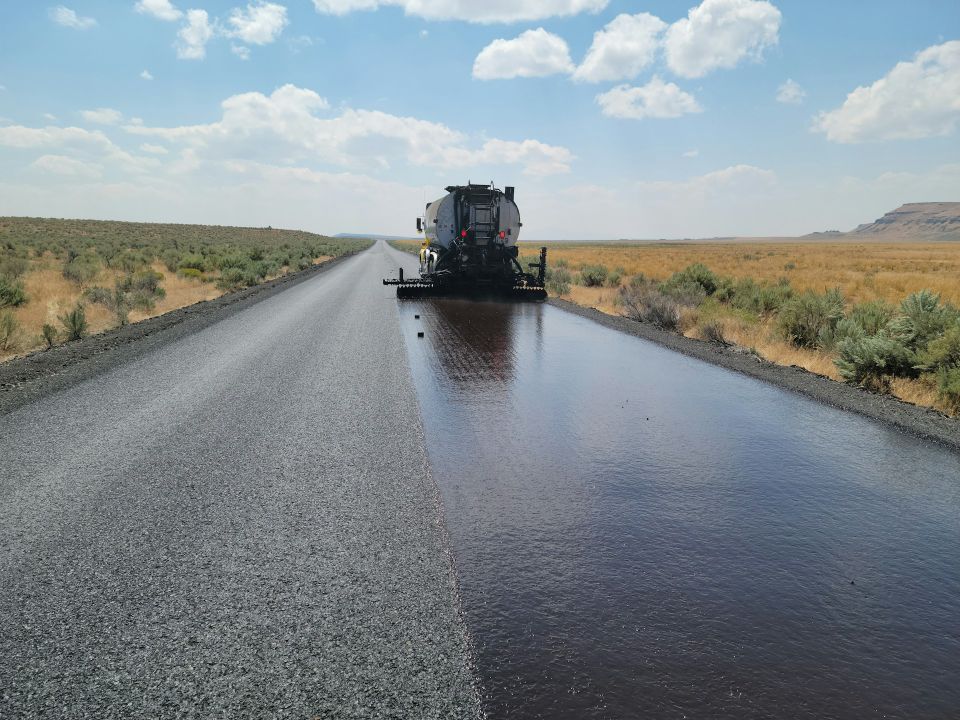
In Huntsville, road durability has a lot to do with what’s under the pavement. Our region’s roads go through some tough conditions every year. Traffic, soaking rains, and seasonal shifts all put stress on the layers below the surface. Without a strong foundation, even a well-paved road won’t last long before signs of wear start to show.
That’s where soil stabilization companies come in. Their work isn’t about cosmetic fixes or short-term patches. It’s about getting the ground itself to hold together better and support more weight. With spring ahead and weather already shifting, it’s a smart time to look at how stabilizing the soil can help roads in Huntsville stand up to what's coming next.
Why Huntsville Roads Break Down Without SupportIn North Alabama, much of the soil is clay-based. That might not seem like a big deal at first, but after a wet winter, it becomes one. Clay expands when wet and contracts when it dries out. That constant change weakens the ground sitting just below the surface. If asphalt or concrete is laid right on top of that kind of base, problems tend to pop up not long after.
Another factor is the freeze-thaw pattern that shows up as the seasons shift. February and March bring nights that dip below freezing and days that warm up fast. When moisture in the soil freezes, it causes the soil to expand. Then, as it thaws, it shrinks. This up-and-down process leads to soft spots, heaving, and cracks.
Add spring rain to the mix, and it gets worse. Water finds weak spots and tends to stay there, loosening the ground and eventually washing it away. Simple patching or resurfacing might help for a little while, but those fixes don’t deal with the deeper problem. The ground underneath keeps moving, and the damage keeps coming back.
What Soil Stabilization Really Does Below the SurfaceSoil stabilization changes how the soil behaves instead of just covering it up. When we treat soil, we’re working to improve its strength, reduce how much water it holds, and keep it from shifting. We do this by mixing in materials that help soil particles stick together and stay dry.
Some materials we might use include:
- Lime
- Cement
- Blended agents made for certain soil types
These are mixed right into the soil and combined until the entire base layer thickens and dries out. The result is a firmer, much stronger foundation under the road. It drains better, holds shape during cold snaps, and carries weight without sagging or cracking. Once that base stops shifting, the surface above it lasts longer and needs fewer repairs.
Terra-Firma Stabilization & Reclamation uses specialized soil stabilization equipment and tailored mixtures to improve challenging clay and silty subgrades under Huntsville roadways. Our process incorporates site-specific soil analysis and moisture testing to ensure effective results, whether the project is a city street, major highway, or municipal parking area.
How Soil Stabilization Supports Long-Term Road ProjectsWe’ve seen this process support major and minor roads around Huntsville. A stable base performs differently than loose, untreated soil. That improvement pays off early and keeps rewarding over time.
- Higher load capacity lets roads handle heavy equipment, trucks, and traffic
- Less shifting in the foundation helps prevent potholes and cracks
- Projects move faster when there’s no need to redo or recompact base layers
When a crew can install the surface and trust the ground underneath, everything down the line becomes easier. From budgeting time to managing traffic delays, stabilized soil saves time and keeps road systems running more reliably.
Signs a Road Project Needs Base Layer SupportYou don’t have to wait for a road to fall apart to know it needs help under the surface. There are signs that show up early, long before total failure.
- Cracking that shows up in the same places soon after repairs
- Dips or uneven sections that flatten under weight and then bounce back
- Water pooling near the surface or draining too slowly
- Ruts or soft patches that sink more each time vehicles pass over them
These are signals that the soil underneath isn’t carrying the weight like it should. Fixing the top layer over and over does nothing if the ground below keeps moving.
Planning for Soil Treatment in Early SpringLate March is a useful time to catch up on damaged roads before the schedule fills up with spring activity. Huntsville weather is unpredictable once winter loosens its hold. A few dry spells in late March are often the best windows to begin lasting repair.
That timing matters. Soil stabilization doesn’t work as well if the ground is soaked or fully saturated. Having a short gap between cold weather and early spring rain gives crews just enough of a chance to treat and compact the soil.
Before that work begins, we take time to review a few things:
1. What kind of soil is under the surface
2. Where the water tends to collect or move
3. What kind of pressure the road will face over time
By checking those details before anything gets mixed or applied, we make sure the result will match the needs of the road.
Building Roads That Last Beyond the SeasonThe best road surfaces all start below the surface. When the soil underneath stays firm and dry through storms, freeze-thaw patterns, and heavy use, the road on top holds up much better.
In Huntsville, road crews know that spring can bring wet conditions and packed schedules. Doing the heavy lifting before that rush builds a better foundation. Soil stabilization companies help turn weak fill or soft clay into a support system that won’t disappear when weather returns.
Fixed roads are good. Roads that stay fixed through season after season are better. Solid base layers give us the lasting results we’re really looking for.
At Terra-Firma Stabilization & Reclamation, we believe a strong road starts with well-prepared ground, which is why our work throughout Huntsville, AL, focuses on preventing issues caused by unstable soils and seasonal wear. By addressing roadbed challenges early and improving drainage and soil composition at the source, we help make future repairs easier or unnecessary. For dependable support from experienced
soil stabilization companies, reach out to us today.