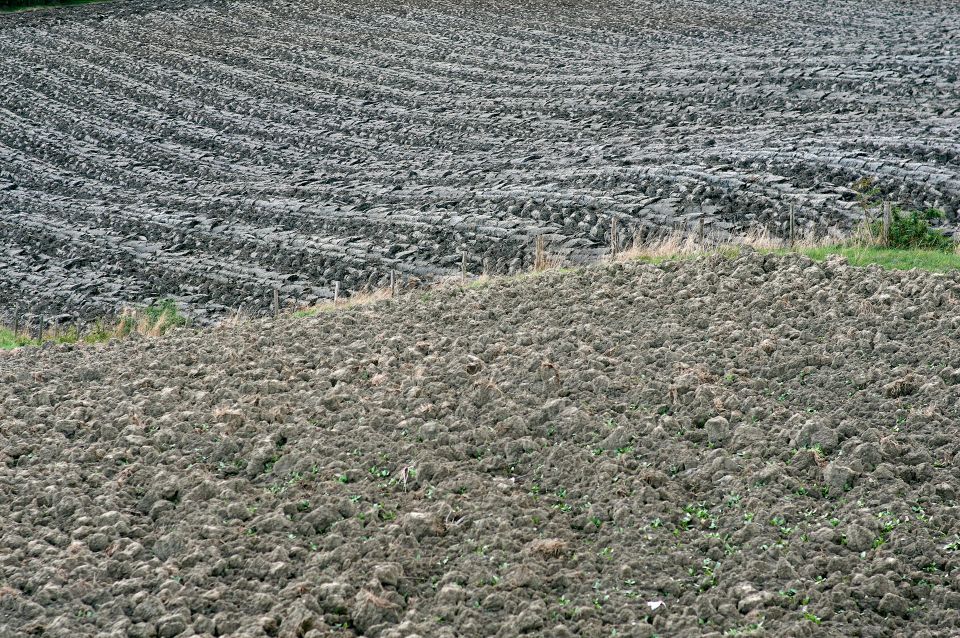
Huntsville doesn’t usually make winter easy. By the time January rolls around, the soil is already soaked from weeks of cold rainfall. That runoff has nowhere to go, especially in low spots where the water sits. Without the right prep, it won’t take much more rain before pieces of a job site start washing away. It doesn’t just delay work. It can leave a mess that’s tough to fix.
Soil stabilization is one way we make the ground stronger before things get worse. Instead of letting loose soil shift and move when wet, we lock it down. This keeps the base layer solid and helps manage surface drainage, even when storms don’t let up. It’s a smart solution for keeping winter work on track around Huntsville and cutting out the stress of rain-related delays.
Why Winter Rain Causes Soil Problems in HuntsvilleHuntsville has its own challenges when it comes to soil. A lot of the ground here contains clay or sandy mixtures, both of which can cause trouble under the wrong kind of weather. Once cold-season rain hits, surface water soaks deep, making the top layer sloppy, unstable, and likely to shift.
• Clay-rich soil swells when wet and tends to hold water too long
• Sandy areas don’t hold together well and are easy to erode with fast-moving runoff
• Elevated slopes or flat spots without drainage hold moisture that leads to slow collapse over time
If the ground hasn’t been treated or reinforced properly, we often see shallow grades wear down, ruts form in driveways or paths, and larger areas break up completely. It’s not just the roads, parking lots, access drives, even cleared construction zones all get affected. Without prep, one hard rain can be all it takes to tear up the work already done.
How Soil Behaves When It Isn’t StabilizedLoose soil has a mind of its own during wet seasons. Water doesn’t just make it heavy, it changes how it acts. Runoff pushes through weak spots, and anything sitting on the surface quickly becomes unlevel or at risk of sinking. This kind of movement shows up in some common ways:
• Soft spots where soil holds too much water and vehicles start getting stuck
• Trenches cut by downslope runoff that tears through loose areas
• Drainage paths changing direction when the original layout gets warped by moved soil
When that base layer isn't strong, the ground settles unevenly. We see it most in paved areas where cracks appear not long after finishing, or in gravel roads that turn muddy and unusable. Problems like these don’t just happen all at once. They build up after steady rainfall or a few back-to-back storms. Stabilization is how we stop that cycle before it starts.
What Soil Stabilization Does to Prevent Runoff and WashingWhen rain becomes a problem, it’s often because the soil underfoot can no longer hold its position. Stabilizing the ground changes the way it absorbs water and improves how well it carries weight. The process works by combining soil with things like lime or cement that help it hold together and dry out properly over time.
• Mixed materials bind with the native soil, reducing how much water it takes in
• Stabilized layers allow surface water to drain more evenly, without getting stuck in dips
• A firmer ground base supports equipment, foot traffic, or paving without shifting mid-project
For sites with slopes, this is especially important. Water naturally finds the path of least resistance, and untreated ground gives it one. Stabilization gives that slope strength, which helps it resist sliding and slow erosion. Whether it’s a cleared access road or a new build pad, having that strength in place helps everything stay put when the weather turns rough.
Terra-Firma Stabilization & Reclamation specializes in a variety of ground improvement services, including full-depth reclamation, asphalt pulverization, and soil improvement tailored to demanding conditions in the Southeast. These techniques ensure existing materials are recycled, strengthening the base and making sites more resilient to winter erosion.
When Huntsville Projects Benefit Most from Soil StabilizationWe usually get questions about timing after the first few big winter rains. By then, it's common to see standing water, soft patches, or parts of a site already beginning to shift. The truth is, in our region, the best results show up when the problem gets handled early, right around late winter or just before spring.
• Before paving begins on roads, parking lots, or loading areas likely to see heavy runoff
• During grading work near ditches, slopes, or parts of the property that stay damp
• While prepping land with poor drainage or uneven surfaces just before construction starts
February and March see a lot of soil movement, especially after several weeks of cold-weather rain. Projects that run through winter into spring face a long stretch of wet conditions. That’s why anything located in a flood-prone or low-lying spot should get evaluated for stability prep. Waiting too long usually means needing to redo work, which adds time and expense.
Why Long-Term Stability Saves Time and MoneyShort-term fixes like regrading or patching weak spots might work once or twice, but they don’t hold up for long under repeat storms. Projects that start without stabilized ground are more likely to need extra work after only a few weeks. That can snowball fast, especially if heavy equipment is waiting or construction scheduling gets tight.
Stabilized soil helps prevent issues before they pull crews off track. It offers:
• Less rework after weather hits, including fewer delays to drying or settling
• Stronger ground that holds its shape and supports base layers for longer
• Fewer repairs needed, since drainage works better from the beginning
For builders, developers, and road crews, that time savings adds up quickly. Even one missed deadline can stretch out other parts of the job. When the ground holds strong, everything else tends to move forward the way it should.
Better Ground Prep for Huntsville WintersWinter storms and saturated soils can bring costly delays and repairs to any construction, roadwork, or development project in Huntsville, Alabama. By choosing soil stabilization and related services, project managers gain the support of proven methods that improve both short-term performance and long-term durability of treated ground. Whether you are paving new roads, reclaiming asphalt, or improving subgrades before construction, stabilized soils are less likely to fail during the harshest months.
Terra-Firma Stabilization & Reclamation uses modern equipment and customized material blends to address the root causes of soil movement and washout. By modifying and stabilizing existing base materials, projects stay on track and protect your investment all year long.
When your Huntsville, AL, site is experiencing water retention issues or ground movement beneath heavy equipment, it’s important to assess the stability below. At Terra-Firma Stabilization & Reclamation, we use proven techniques to minimize damage during wet seasons and keep your project moving forward. With careful attention to preparation, we make sure your base stays strong even in challenging weather. See how our
soil stabilization services can provide lasting results for your job site, and contact us to discuss the best timeline for your project.