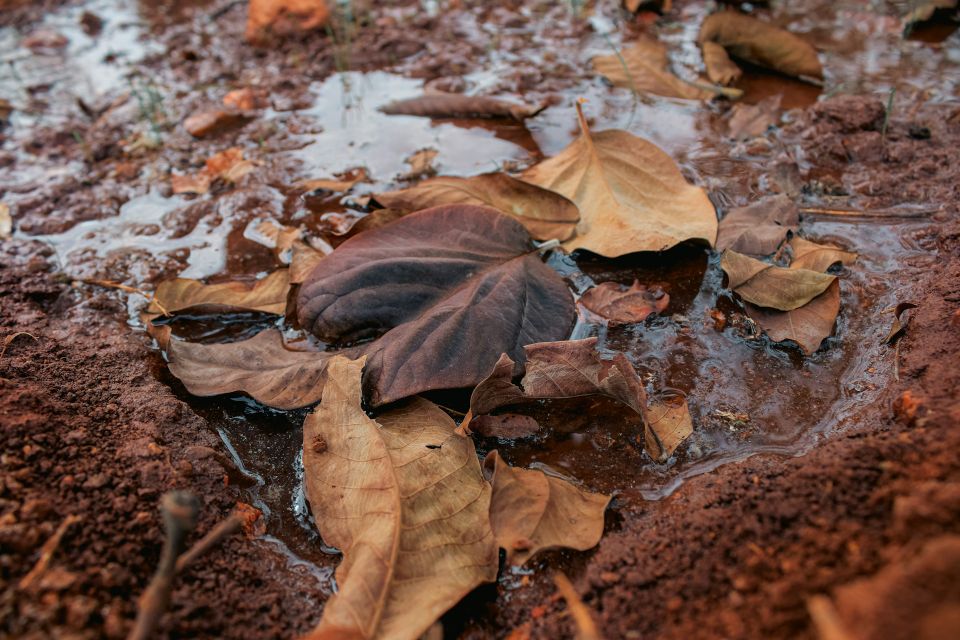
Huntsville is no stranger to wet, heavy clay soils. By February, the ground usually stays soft for weeks at a time, and that makes it tricky for any kind of work that needs a firm surface. Big machines can sink. Drainage turns sloppy. And schedules start slipping fast if the site cannot hold its shape. This is when soil modification becomes more than just a step in the prep process. It is the difference between moving ahead and losing a chunk of time to weather delays.
We have worked ground like this before, and we know the signs to watch for. When clay will not dry out on its own and crews are ready to push ahead, the right treatment can tip the scales. See how this works here, right when late winter puts pressure on timing and progress.
Why Huntsville Clay Soils Need Special AttentionClay soil is not easy to deal with, especially once it takes on water. During this time of year, it tends to swell up, hold moisture near the surface, and stay loose longer than expected. That causes a few familiar problems on job sites.
• Clay gets sticky and thick under pressure, making wheels spin and machines sink
• Water drains slowly, leaving soft patches or puddles across cleared areas
• Compaction becomes inconsistent, leading to uneven bases for paving or building
We have seen projects stall simply because the ground would not stay put. High-moisture clay soils act differently from drier ground. They react quickly to weather and need a plan that keeps work moving instead of waiting for better days.
Common Issues Crews Face in Late WinterLate winter brings its own share of challenges. By February, the rain has usually come through in waves, and the cold does not give moisture much chance to dry out. That makes fieldwork harder and riskier.
• Slopes become slick and hard to grade without sliding
• Flat ground forms puddles where water cannot escape fast enough
• Machines compact some spots but tear up others, leaving uneven pressure zones
These issues are more than frustrating. They affect the safety of the worksite and the timing of every phase that follows. When a foundation will not hold or a haul road falls apart, everything else gets pushed back. That is why late-winter prep takes a different approach. Instead of waiting, we look for ways to change how the soil behaves.
Soil Modification Methods That Work for Huntsville ClayWhen the ground will not hold up on its own, we rely on soil modification to adjust its properties. Around Huntsville, clay-heavy soils respond well to certain treatments, depending on how wet or unstable they are.
• Lime is often used to reduce moisture and firm up wet soil without waiting on dry weather
• Cement mixes can be added where the ground turns soft or shifts under pressure
• Fly ash works well in binding particles together, making the soil more load-bearing
These materials are worked directly into the clay, either by mixing or milling. The goal is not just to harden it. It is to create a surface that holds together better when wet and supports the structure or equipment that is going on top.
Terra-Firma Stabilization & Reclamation tailors the soil modification approach by analyzing site-specific challenges such as excessive clay and groundwater. Our team utilizes modern equipment and precise application techniques to guarantee uniform mixing and consistent results, which is especially important when preparing foundations in Huntsville’s winter conditions.
Choosing Based on Site ConditionsNo two job sites are the same, especially when you factor in slopes, access, and hidden drainage trouble. We plan each mix based on what we find during inspection.
• Deep clay layers may take more time or multiple mix applications to hold
• Steep areas or narrow sections might call for materials that set up faster
• Patterns in water flow and forecasted storms help choose the best treatment window
The method needs to match the layout and the priorities on site. If there is heavy traffic coming soon or if paving is starting in a few weeks, we adjust the mix and the timing to support that. It is not just about fixing what is soft, it is about setting things up so that the next crew does not have to redo anything.
Sometimes, even areas of the same site will require different treatments. A flat area with standing water might get a heavy lime mix to help the soil dry out quickly, while an uphill driveway or ramp section may need a cement-based approach for fast-setting strength. Paying attention to the details in water movement, access routes, and upcoming work schedules keeps the plan on track and keeps ground conditions stable for everyone coming and going on the site. This custom approach helps every part of a project move forward smoothly.
What to Expect from the Soil After TreatmentOnce the work is done, the difference is clear. The ground feels different and works smoother, even under rainy conditions. For crews coming behind us, that means fewer surprises and more time spent getting tasks done.
• The ground dries faster and does not give way as easily under weight
• Surface water drains off instead of sitting, which helps shaping and grading
• The soil compacts more evenly and supports machines during construction
With proper treatment, the soil becomes part of the build instead of a roadblock. When the spring rains return, the job site keeps moving because the base does not fall apart.
Stronger soil keeps job sites moving because machines do not get stuck or leave deep ruts in the ground. Drainage patterns improve and extra fill or repairs become less likely, which makes each work phase more predictable. The soil’s improved structure shortens how long it takes to transition from late-winter preparation to spring construction, keeping projects on schedule and budgets on course.
Stronger Ground, Fewer DelaysLate winter can be tough in Huntsville, Alabama, but it does not have to bring every job to a stop. Treating high-clay ground the right way makes the difference. Instead of waiting for a long dry spell or trying to push through soft conditions, we shape the soil on our own terms.
Soil modification makes that possible. Choosing the right method means site crews do not waste time fixing ruts or waiting for ground to dry. Projects move forward with fewer problems, and that matters most when every week counts before spring gets here.
Working in Huntsville, AL, means dealing with soft clay and late-winter conditions that can slow down any project. At Terra-Firma Stabilization & Reclamation, we know the frustration of unexpected delays and understand how important it is to keep to your schedule. The right approach, such as proper
soil modification for your site’s unique needs, can make all the difference in providing the solid foundation your project demands. Reach out if you need experienced, local support to keep your plans on track.