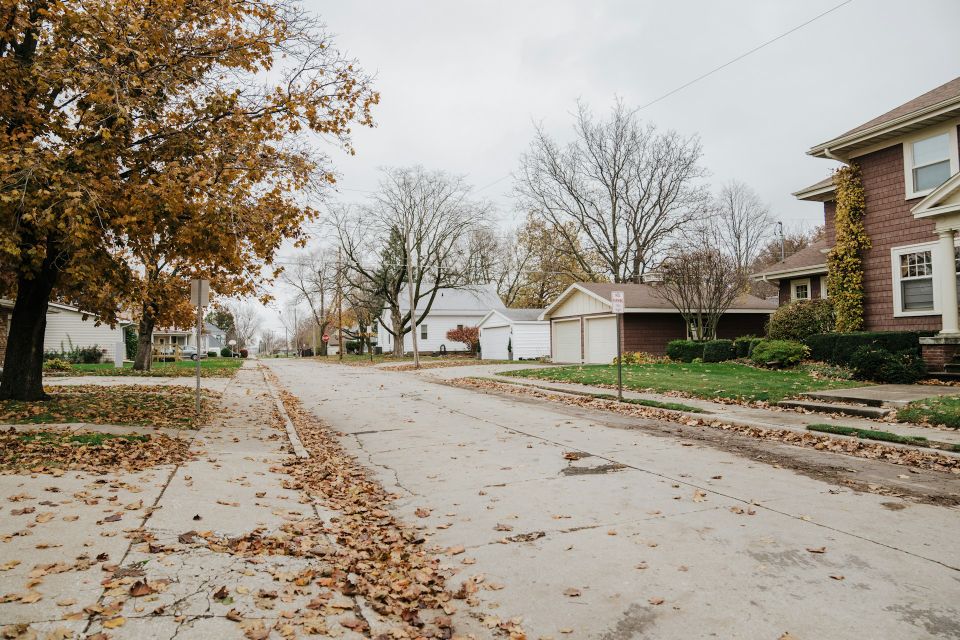
Rural driveways outside Chattanooga can start showing signs of stress as the summer heat moves in. The ground cracks, the gravel shifts, and the surface that looked solid in spring may already be soft underneath. That is why planning early matters. By the time temperatures peak, many untreated driveways are already breaking down.
We have seen how a soil stabilization company can step in at the right moment to help homeowners get ahead of the damage. The key is focusing on the layer under the surface before the problem gets worse. When done in late spring, treatments can settle in well and set rural driveways up for a much smoother season ahead.
Spotting Trouble in Rural Driveway SoilA lot of early driveway problems are easy to miss until they get worse. After spring rains, soft spots, puddles, or ruts might not seem serious. But they are signs that the base is not holding like it should.
- Ruts can show where water has moved soil or gravel out of place
- Washouts often mean drainage is not working or the soil underneath is weak
- Soft areas may point to ground that is staying wet and cannot carry weight well
Soil types around Chattanooga vary a lot, which adds to the challenge. Some stretches have heavy clay that clumps and stays wet. Other lots might be sandy or loose and drain too fast. Each type acts differently when it rains, and that affects how a driveway performs through the year.
When rural driveways sit on untreated soil, warmer temperatures just make things worse. Drying and shrinking can crack the ground. If it rains again, the soil shifts, and the top layer takes the hit. That is how a small soil issue in spring grows into a bigger mess by late summer.
Timing Work Before the Hot Weather Sets InFixing the soil earlier in the year works better than waiting until it starts falling apart. Right now, in late spring, the ground still has just enough moisture left over from winter and earlier rains. That helps soil stabilizers mix in and pack down with more strength.
We like to treat soil before it gets too dry and dusty. If the timing is right, the treatment sets better and sticks through summer traffic. Plus, we do not have to work with baked, cracked ground that takes longer to shape.
Dry soil can be stubborn and slow everything down. But when there is still some dampness in the mix, we can build a firmer layer that lasts longer once the sun is beating down. Treating the soil now saves time later and reduces the chance of cracking once trucks or trailers start using the driveway more in the summer months.
Terra-Firma Stabilization & Reclamation provides rural driveway subgrade solutions tailored to North Georgia and Chattanooga soils, using lime, cement, or fly ash to improve both clay-heavy and sandy ground. Our on-site assessments help us select the right stabilizer for improved moisture control, strength, and durability in any rural setting.
Choosing the Right Treatment for the JobEvery driveway needs a different approach depending on what is under the surface. One of the first things we check is how the soil looks and feels. Is it loose and sandy? Is it sticky with clay? We also pay close attention to how much water it is still holding.
That information tells us which stabilizer will work best. Some spots might do better with lime when we want to reduce moisture and shrink-swell behavior. Others need a cement-based stabilizer, especially if the base has to support frequent use by heavier trucks or trailers.
Picking the wrong material slows everything down. It might take too long to cure, or it may not bond well with the soil type. When the base does not set right the first time, it can stay soft and need more work sooner than expected. That is why we always match the product to the driveway's real conditions, not just what is easiest to use.
Preparing for Driveway Use Long-TermOnce the base is treated well, the rest of the driveway holds up better through hot conditions. Stabilized soil makes it easier to keep things level and drains water away more evenly. That saves time on grading and touch-ups later.
- Gravel stays in place and does not wash out as easily
- Asphalt will not sink or bubble where the base is solid
- Heavy vehicles can park or pass without tearing up the same spots over and over
Spring work supports what is coming next. By treating the ground now, we are giving that top layer a chance to hang on through summer rains, heat, and all the use that comes with outdoor projects, equipment hauling, or weekend visitors heading out to rural properties.
Better Driveways Start with Better SoilWe have seen again and again that solid driveways do not start with gravel or pavement. They start with the stuff underneath. When the base is strong, the rest of the project lasts a whole lot longer.
If we wait too long into the season, the weather makes everything harder. By acting in late spring, we catch that sweet spot where the soil is still workable and treatments settle in properly. Decisions about timing, product matching, and prep work may seem small, but they shape how the driveway performs through the heat.
Working with a soil stabilization company familiar with Chattanooga conditions can make the process smoother from the start. Understanding the ground, reading what the soil is already doing, and choosing wisely gives rural driveways a real shot at staying solid well into fall.
When your rural driveway in Chattanooga, TN starts showing signs of wear from the summer heat, acting quickly makes a lasting difference. Every soil type requires specific care, and addressing it early helps avoid future hassle and costly repairs. As a trusted
soil stabilization company, we build stronger foundations so driveways stay level, dry, and ready for years of use. We always start by evaluating what is beneath the surface and selecting the right materials for reliable results. Reach out to Terra-Firma Stabilization & Reclamation to discuss the best solutions for your property.