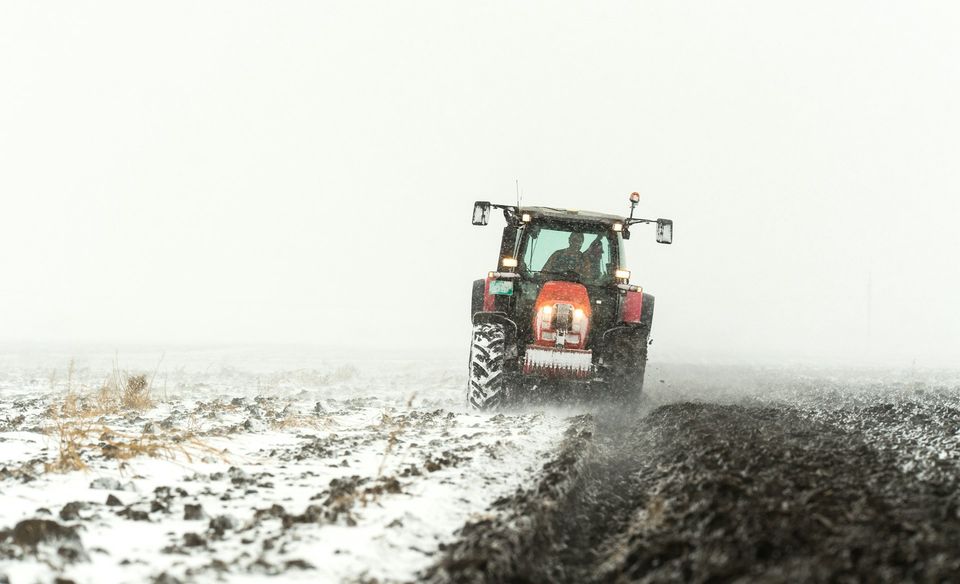
With winter approaching in Chattanooga, construction faces some unique challenges, one being dealing with wet or frozen ground. Winter soil dry down techniques come into play to tackle this. It's important to handle this issue properly to keep construction projects on schedule and avoid potential problems down the line. When the soil stays damp, it can lead to construction delays, uneven surfaces, and unstable foundations. Understanding and implementing effective soil drying methods is key.
This article will explore why drying down the soil in winter is particularly important in Chattanooga, examine the challenges faced during cold weather, and explore some practical techniques for dealing with damp soil. We'll also cover the timing and scheduling of these activities to ensure the best results, along with strategies for preventing the soil from becoming wet again.
Importance of Soil Dry Down in WinterWhen winter hits Chattanooga, the wet and cold conditions can make construction projects tricky. The chilly weather slows down the evaporation of moisture from the soil. This makes the ground soggy or even icy, which can be a big problem when trying to build something stable. The moisture can cause delays as the construction crew has to wait for the ground to be ready, or worse, the project might end up on shaky ground if the soil isn't properly managed.
Wet soil tends to lose its bearing capacity, meaning it can't hold the weight of structures as well. This is particularly bad news for foundations, roads, or any infrastructure needing a stable base. Projects in colder months end up dealing with thawing soil, which can become slippery and even more difficult to manage. The right soil dry down techniques are crucial. They help prepare the ground, making it stronger and more reliable for building. Preparing this way ensures construction projects are not only on time but also safer in the long run.
Effective Soil Dry Down TechniquesDealing with wet soil doesn't have to be a major headache if you use the right methods. Here are a few effective techniques:
1. Chemical Additives: Using certain chemicals can help speed up the drying process. Lime is a common choice, as it reacts with the moisture in the soil and reduces its plasticity, turning the wet soil into a firmer foundation.
2. Mechanical Processes: Equipment like tiling machines can be employed to turn the soil over, which helps it dry faster. Vibratory rollers also compact and dry the soil by creating vibrations that push the moisture out.
3. Natural Drying: Sometimes, the simplest methods are overlooked. Simply aerating the soil by breaking it up, so it gets more exposure to the air and sun, can significantly help in drying.
4. Installing Drainage Systems: Ensuring proper drainage is important. By setting up curtains or trench drains, water is redirected away from construction areas.
These methods offer various options for managing wet soil during the cold months, each with its own set of benefits depending on the particular situation. For the best results in Chattanooga's unique climate, a combination of these techniques is often the most effective approach, ensuring a solid and safe foundation for whatever construction project lies ahead.
Timing and Scheduling for Optimal ResultsKnowing when to perform soil dry down activities is just as important as the techniques themselves. Timing can make all the difference in effectiveness and efficiency. In Chattanooga, where winter weather is unpredictable, planning must be as flexible as it is strategic. When is it best to start the soil drying process? Ideally, it should begin as soon as there’s a window of dry weather. This gives the soil the chance to shed moisture naturally before any major interventions are necessary.
Consider creating a schedule that matches your construction timeline with local weather patterns.
- Monitor weather forecasts regularly to plan for periods of dry weather.
- Schedule soil preparation early in the winter to avoid the wettest months.
- Adjust the schedule as needed depending on real-time weather conditions and soil readiness.
An example of successful timing might involve coordinating drainage installation on a sunny day and following up with chemical additives during a dry spell. This type of planning cuts down on both downtime and costs, keeping your project on track without major interruptions.
Preventing Soil RehydrationOnce you’ve managed to get the soil dry, the challenge is keeping it that way. Preventing rehydration ensures that the hard work invested in soil preparation is not wasted. There are several precautionary measures you can take to maintain dry soil conditions throughout the project.
1. Tarps and Covers: Using tarps to cover dry soil helps keep out rain and snow. It’s a simple yet effective way to guard against unexpected weather changes.
2. Proper Drainage: A well-planned drainage system ensures that water does not collect on or around the construction site. Installing gutters, slopes, and trenches can direct water away efficiently.
3. Protective Barriers: Erect barriers to shield the area from run-off and potential flooding. Sandbags and silt fences are useful in these situations.
These strategies help maintain the ground’s stability, allowing construction activities to proceed smoothly and safely.
Wrap-Up: Ensuring a Stable Foundation in Chattanooga's WinterBy understanding the challenges of Chattanooga’s winter and using the right soil dry down techniques, you’re setting the stage for success. Each method and strategy we’ve discussed plays a role in ensuring the reliability of your project. From chemical additives and mechanical methods to timing and scheduling, all are geared toward making sure your foundation is solid, no matter the weather.
Taking preventive steps against rehydration further safeguards the groundwork laid. This proactive approach ultimately protects your investment and supports the longevity of your construction projects. As winter progresses, let these strategies guide your planning and execution, ensuring your projects stand strong against Chattanooga’s winter challenges.
Ensure your project’s foundation is ready for Chattanooga’s winter challenges by partnering with specialists in
soil stabilization services. Terra-Firma Stabilization & Reclamation offers expertise in maintaining stable ground conditions, preventing costly delays and securing a reliable base for your construction needs. Contact us to explore tailored solutions that safeguard your investments against harsh weather conditions.